Author name: Melissa Dunworth

Owner/Operator

Guest Post – Sondra from Contemporary Cloth

I met Sondra in December and almost immediately I knew I had met a kindred spirit.  Sondra owns and operates Contemporary Cloth and specializes in fabrics that I have never seen anywhere else.  If you are looking for something truly different and original, often one of a kind, Contemporary Cloth is the place to go. Sondra has a great article on inspirational workshops for you today! We could all use a little more inspiration in our lives.
_____________________________________________________________________

3 Places for Inspirational Workshops

Hello Everyone!

I love being here on Melissa’s blog because she is such a very special person (so talented + kind) and I totally love Anne (the Little Amazon)!

In the past 15 years or so, I have taken several amazing workshops from Jane Dunnewold in my main area of interest: surface design. Here are 3 wonderful places for workshops in quilting, fabric dyeing, surface design, paper + fabric collage, etc.

The Quilt Surface Design Symposium (aka QSDS) – Columbus, Ohio. People come from all over the world to attend these workshops from May 10th to June 28th every year, they are for all levels of experience and all of the details are here.

This quilt is by Sue Benner, an instructor at QSDS.

Nancy Crow’s Timber Frame Barn – Baltimore, Ohio. Nancy Crow has been know internationally for her quilts since the early ’70’s. As in QSDS, the instructors and attendees are from all over the world. The workshops are in the Spring, Fall and now offered in the Summer. See all of the details here.

Nancy Crow's Timber Barn
Fabric dyeing - Nancy Crow Timber Frame Barn

Both workshop facilities provide wonderful experiences with inspiration. You meet people from all over the world and many attendees make lifelong friends. The instructors are incredible. Most of my experience has been with Jane Dunnewold at both facilites.

Art Cloth Studios – Jane Dunnewold – San Antonio, Texas. I have never attended here, but would love to! She is in the process of building a new studio. Jane Dunnewold is the best instructor I have had in my life and the kindest. There is no one like her and many others feel the same. That said, on her website there are not only workshops, but resources, her publications and tutorials. Jane is the creator of the concepts: artcloth and complex cloth. Her work is stunning, see some of it here.

Etude 22: Interlude with Leaf Forms – Jane Dunnewold
Dahlia Tiger - Jane Dunnewold
Art Cloth Studios

Melissa, thanks so much for inviting me to guest post on your fabulous blog! I am honored!

Positive energy to everyone, Sondra
__________________________________________________________________

Are you inspired to go find a workshop in your local area? There are also lots of great online workshops you can take! Thank you so much Sondra for all your help and support!

Guest Post – Susan Schmid – How Does Your Garden Grow

My dear family friend, Susan, is here today. She has a great article for you on gardens and finding inspiration everywhere in your life! You are going to love it!
__________________________________________________________________________

How Does Your Garden Grow?

Creativity comes in many forms and some of the same skills one taps into when designing quilts and sewing projects can be applied to a garden as well. Colors, shapes, patterns, and even a little randomness all come into play.

In sixteenth century England, formal pleasure gardens were just coming into their own, thanks in part to the in-migration of professional gardeners from Italy and France and to social and cultural changes that brought more social order and security and meant that owners of the “big houses” (kings, earls, dukes, and the like) had more time and money to invest in pleasurable pursuits. Gardens thus became status indicators and were often very large and quite complex.

These gardens might include small orchards and all manner of shrubs, flowering plants, and herbs. They often featured walls or hedges enclosing smaller areas or sub-gardens, and gardeners employed walkways, arbors, benches, and even small hills known as “mounts.” Heraldry features and beast sculptures might be used to emphasize some element of family history or status, and sundials, fountains, fishponds, mazes, and topiary all eventually came into use.

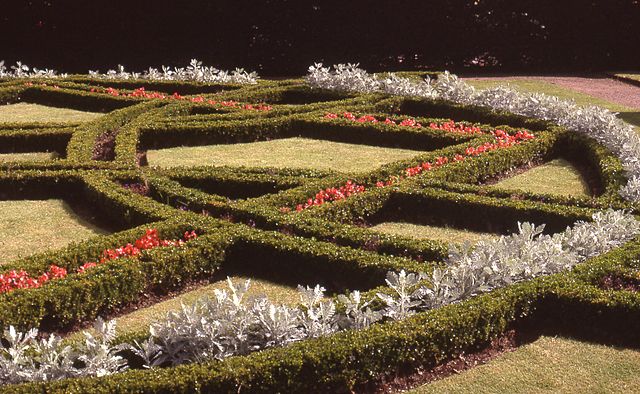
The most notable feature of sixteenth-century gardens were knot gardens. These were usually a square composed of four “knots” —plants in an arrangement that resembled a knot—often surrounded by a railing or some other feature to set them off. Knot gardens are still found today, such as this one at St Fagans museum of country life in Wales:

Often gardens were laid out under windows or balconies to provide a vantage point from which to truly appreciate the design of the garden and its features. The value of this was brought home to me late last summer when I was up on a ladder holding something for my husband and happened to have my camera with me.

Photo & Video Sharing by SmugMug

I could see how colors and shapes worked together:

Photo & Video Sharing by SmugMug

And I could appreciate how I, like the Renaissance gardener, had incorporated places to stroll and places to sit and enjoy:

Photo & Video Sharing by SmugMug

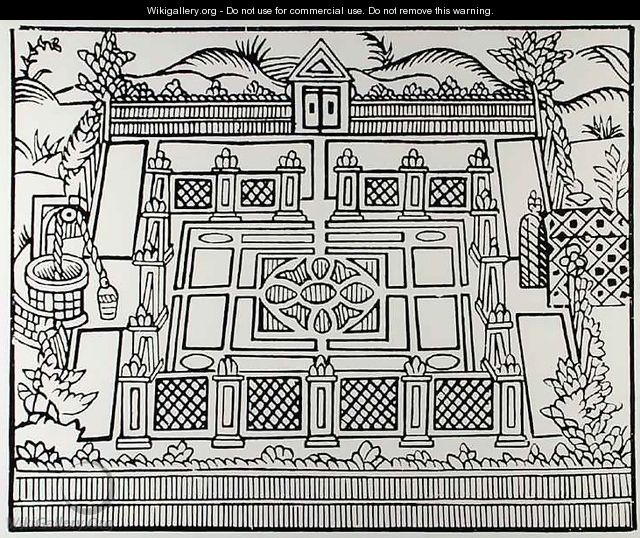
In 1577 a practical guide for gardeners appeared called The Gardener’s Labyrinth. Authored by one Thomas Hill, it remained in use for many decades, even in the “colonies.” Among it’s many illustrations is this one:

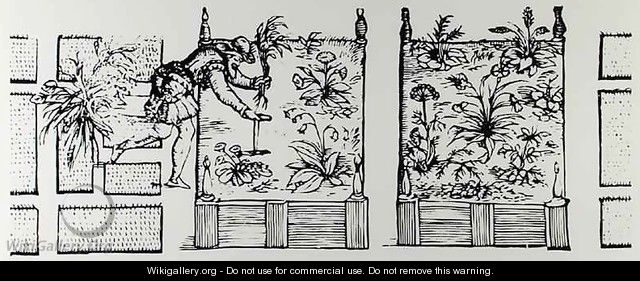
And another one features the gardener working in his raised beds, so mine are simply part of a tradition hundreds of years old:

Medieval gardens had generally been smaller of scale and used for growing plants and herbs for food and medicinal purposes. Those kinds of gardens certainly continued, as members of the lesser social classes would still have needed the garden’s bounty and would not have had time, money, or need for a formal pleasure garden. However, large or small, formal or not, I suspect that there have always been those who enjoyed the challenge and the beauty of growing things for their own sake. And, I’d like to think that rather than lions sculptured from shrubbery, one might simply have “guarden-cats”—living or not!


________________________________________________________________

Thank you Susan! I find inspiration for my quilts all the time in gardens. There are color combinations in gardens that I never would have thought of, but when I see them in nature I get suddenly inspired.  PS. I love your “guarden cat”!

Guest Post – Robyn from Bolo Heads

Hi everyone! Happy Tuesday! Would you believe I haven’t sewn a stitch in a week?!? I know! Today I have Robyn from Bolo Heads! She has a super adorable bag for you all – so make sure you stick through to the end of this wonderful tutorial!
________________________________________________________________

I am so happy to be here today, and hope all is well with Melissa.
I have a little blog called Bolo Heads.
Bolo is Hawaiian for without hair (meaning bald)
I was born in Hawaii, and had no hair, so that was my nick name growing up.
All of my children had the same condition (bald babies)
So that it explains it.
Today I am going to show you how to make the cutest little stitching bag.
I am an heirloom sewer.

Smocking, embroidery…..

There is always some stitching project following me around.
I used to take it with me in a Ziploc bag, not cute.
Then I used a bag that my daughter’s doll came in.
Still not cute.
Now I have this super cute patchey bag.
I am going to give you a for warning, there are a lot of pictures,
but I don’t want you to get lost along the way.
Also I was making two bags at the same time so some of the pictures don’t match up

Are you ready? Here we go.
You will need.
Bag                             56 – 2 1/2″ squares.
Lining (2)                           10 1/2″ x 12 1/2″
Brim (4)                             2 1/2″ x 12 1/2″
Handles (4)                        2 1/4″ x 12″

Drawstring closer (4)          8 1/2″ x 12 1/2″

Interfacing


Start with your 2 1/2″ squares.
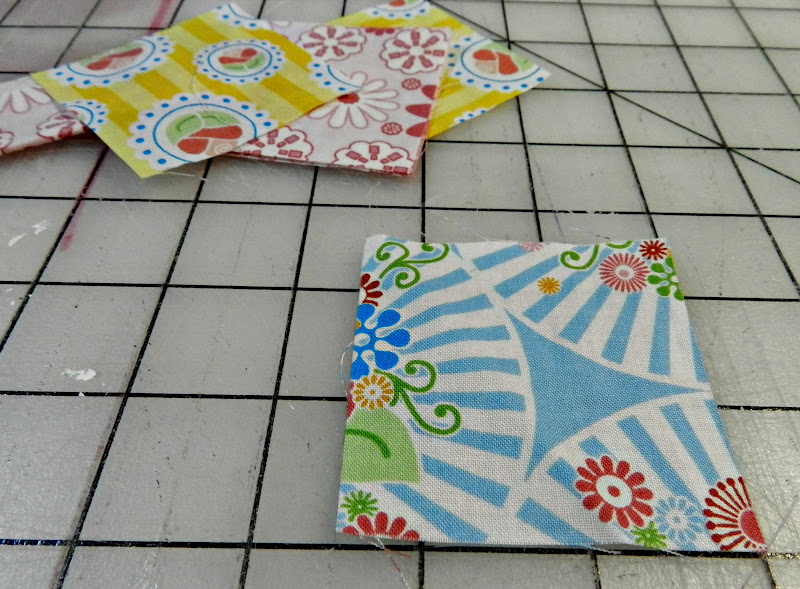
I was lucky enough to get these super cute Happy Zombie ones.
2 1/2″ square


Sew them together, I chained them, and then sewed the two together,
and so on until you have something like this.


Four rows of six and one row of four.
Then sew them together.


Do it twice, so that you have a front and a back.
Then sew them together.


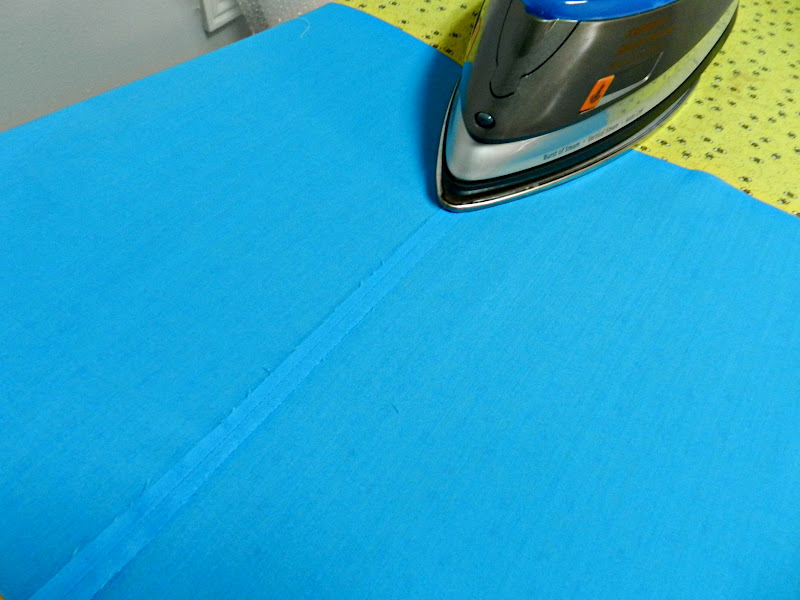
Iron what will be your bottom seam open.


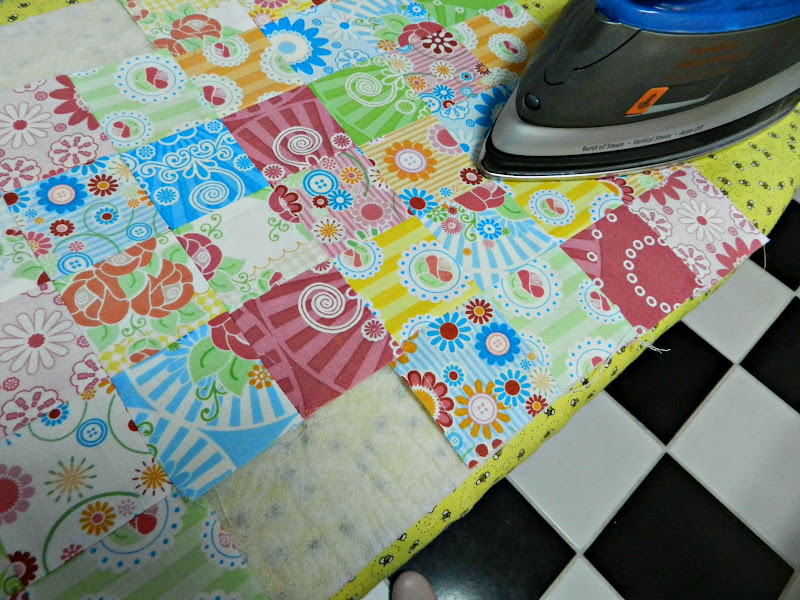
Next iron it on to some interfacing.
You can use what ever is your favorite.
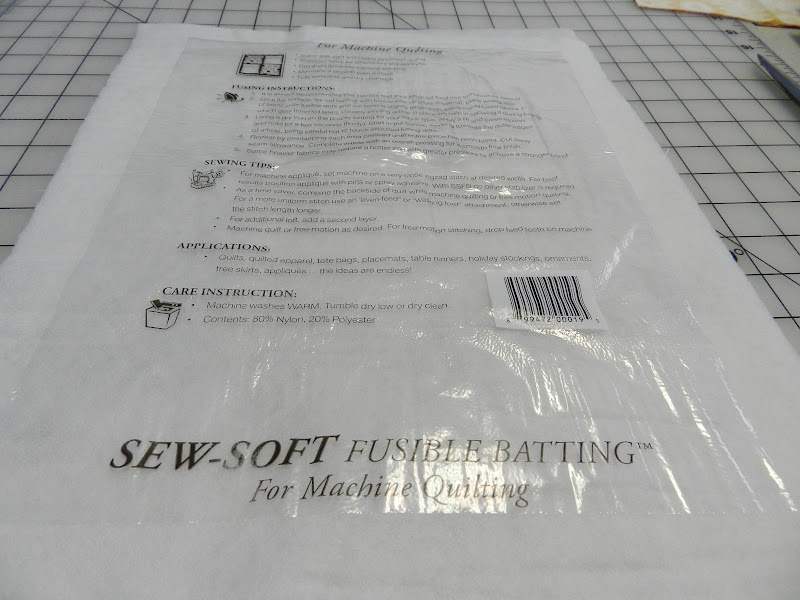
Fusible fleece is nice and soft.
I would like to take a minute to talk about what I used.
My sister gave this to me.
You can only get it at Joann’s in the sewing center.
If you sew bags you know that the best thing to use is fusible fleece.
If you use fusible fleece then you know that it is $7.00 a yard.
This is a little lighter weight then the fusible fleece but is only…
brace your self…
.99 cents a yard.
You can buy a whole bolt for $10.00 the same price as 1 1/2 yards of the fleece stuff.
Your welcome.
Moving on…
Sew your lining pieces together
then press that bottom seam (12 1/2″) open.
Iron your lining, brim, and handle pieces to the interfacing.


All of your prep work is done, now is a good time to take a break.
I am going to pick up my daughter from preschool I will be right back.


OK I ‘m back,
trim all of your pieces from the interfacing.
Let’s sew the whole thing together shall we.
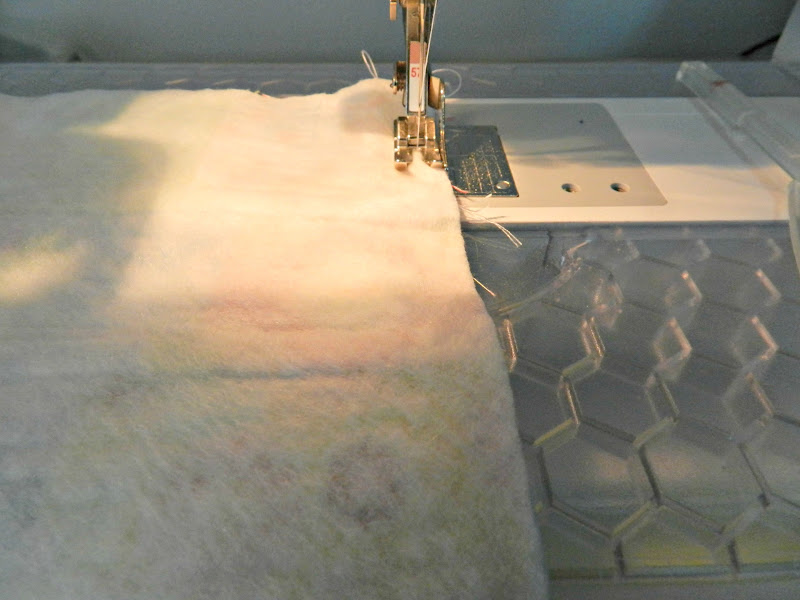
Sew down the sides.


Press the seam open.


Now you have this funny little chunk missing, this is how we are going to fix it.


Line up the bottom seam with the side seam,


sew it together keeping the seams together.


Turn it inside out and voila a square bottom bag.
Shall we do the lining next, lets go.
Sew the side seams


Line up the side seam with the bottom seam pin (on the other side)


Measure four inches across, like this.


Mark it with a line.


Sew on the line.
Now if you want you can trim off the excess, I didn’t.


Fold the extra toward the center, and put inside the bag,
lining up the side seams.


Baste together.
You are doing great, we are half way.
Now we are going to do the handles and the brim.
Ready or not here we go.
This is a trick I learned and when I first saw it I was like
“How did I not know this!”
Maybe you will be the same, or you will think I am a dork for not knowing.
Anyway put in a safety pin like this with the head pointed in.
Sew down either side.


Start pushing the pin through.


Look at that totally turned inside out.
Awesome!!


Topstitch on both sides.
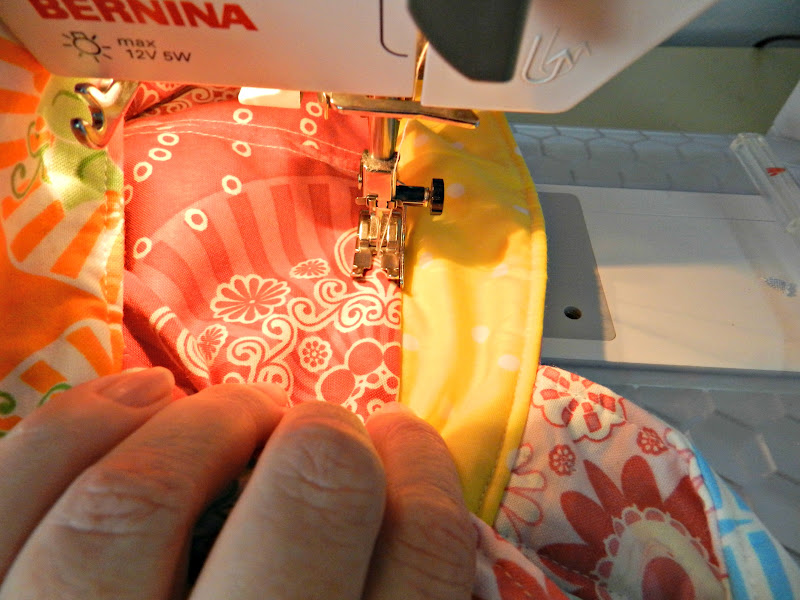
I like to use my open toe foot for this, it is a nice guide.


For the brim sew all the sides together.


Make a mark four inches from the side, on both sides.
Yes I do do this with a razor blade.
Be careful not to go beyond your seam allowance.


See look at that nice little mark.
Center your handle on the mark, pin in place.


Sew the top closed.


Turn inside out and topstitch the edge, again with the open toe foot.


Look how cute it is.


Now with right sides together, place it on the bag.
Almost done now we just need to make the drawstring closer.
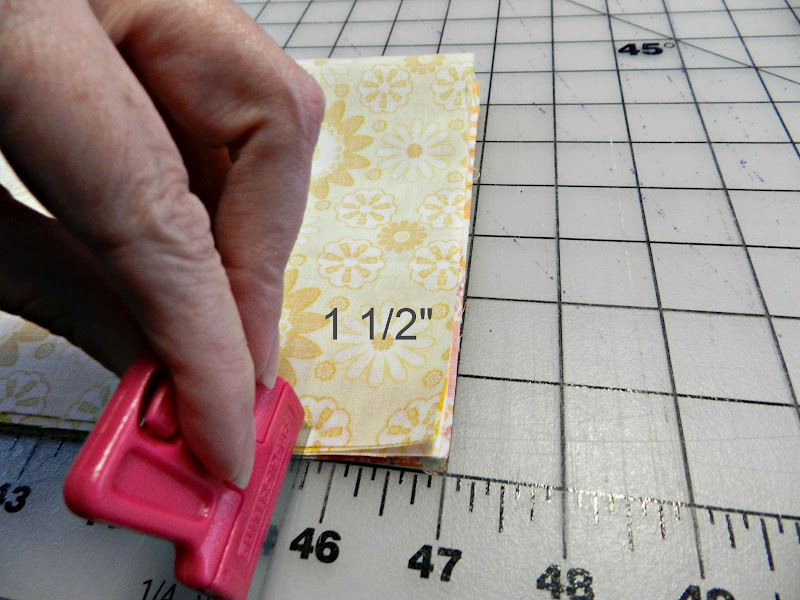
Layer all your drawstring pieces together and on the 8 1/2″ side
make a mark that is 1 1/2″ down from the top.


Cute little mark, that is where we are going to start sewing.


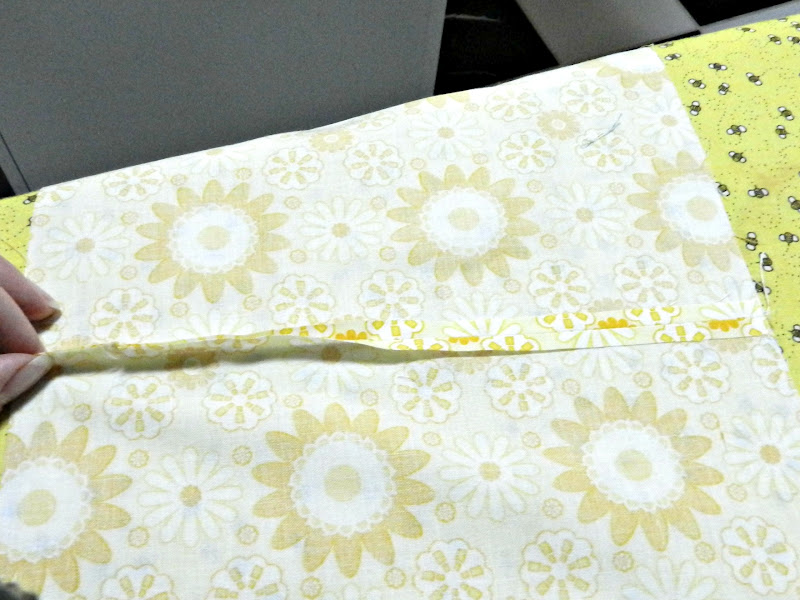
Sew your side seam.


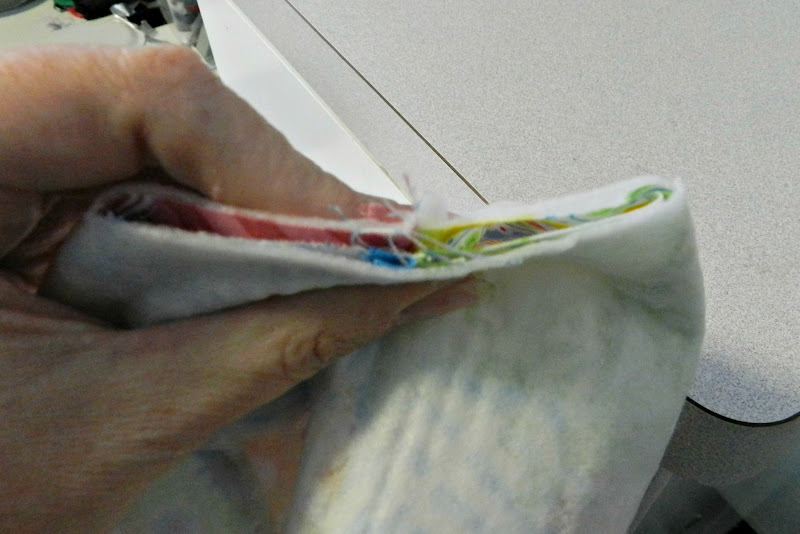
Press this seam open, if you hold the unsewn ends just right
They will lay open and let you press them down.


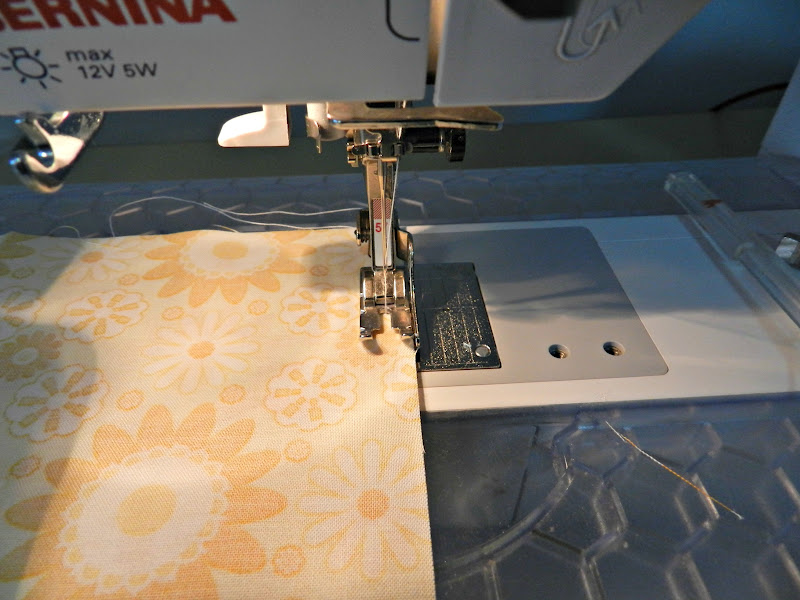
Topstitch down either side of the seam.
Once again using the open toe foot, start where the seam is split open.


Do both sides of both the front and the lining.


With right sides together, sew the two pieces together.


Turn inside out and topstitch around the top.


Beginning at the point where the slit stops,
topstitch around the top again, making a casing.
We are almost done I promise.
Now we are going to make a sandwich.
Like this bag, brim, and the drawstring top.
Make sure you have the right sides together.


Sew around the top keeping shy of the basting stitches.


All sewn together.


Trim off the excess seam allowance.


Pull up on the draw string part..


and tuck it inside the bag.


Lift up in the brim….


and topstitch with your quilting foot around the bag
make sure to keep it all taut, pull out on the brim and pull back
on the drawstring part as you feed it through.


Look how nice that finishes, the outside…


the inside.


The very last step.
Thread ribbon through the casing on one side…


and then on the other side.
Tie a knot in the ends and burn the edges so that they won’t fray.


Pull them tight and you are
DONE!!!


I knew we could do it.
I hope you like it and I can’t wait to see if you make one.
If you do come on over and let me know.

____________________________________________________________________
Now do yourselves a favor and go follow Robyn! She has a fun blog and I really enjoy reading what she has to say, and I know you will too! Don’t worry, I haven’t fallen off the planet, just trying to get some things in order. I will be back next week!


Guest Post – Kristy of Hopeful Threads

Happy Monday Everyone! This weekend was long and emotional for my family. Things should hopefully be settling down in the next week or so and then I will be back in full sewing form. In the meantime…I bring you Kristy from Hopeful Threads! If you are not familiar with Hopeful Threads, take a few moments and hop over to Kristy’s blog, I promise you will not regret it!
________________________________________________________________________

Hi Sew BitterSweet folks, hope you are all doing great!
Melissa offered me the chance to come over and say “Hi!” and so I snagged it right up!
For those who don’t know me, I’m Kristy and I blog over at Hopeful Threads where we are all the time having some kind of crazy sewing fun with the motivation of giving back! (and if Melissa has anything to do with it, she’ll have me branching out into quilting before too long!) 🙂 We just wrapped up our biggest collaborative sewing project, where as a group, we made over 300 dresses to donate to Dress A Girl Around the World.
Yea, it was pretty exciting considering our original goal was 100 dresses! It’s a fabulous group of talented, giving, fabric loving folks and I invite you to join us if you haven’t yet.
This month we are focusing on ways we can care for the different caregivers in our lives.
This can include everything from mothers, teachers, childcare providers to special therapists or volunteers that you witness providing care for others within your community. The challenge is for you to find the caregiver and then find a way to use your gift of sewing/creating to encourage them. A perfect opportunity to bless and be blessed!
Throughout the month I hope to highlight different ways you are doing this, so please share your stories of how you Care 4 Caregivers this month and inspire us all!
_________________________________________________________________________________________

You will definitely want to head over to Hopeful Threads today because Kristy has a giveaway going on. Please go check it out and if you have it in your heart…get involved too!


Guest Post – Lisa’s Pink Lemonade Sandwich Cookies

Today I have one of my closest friends in the world presenting one of her AMAZING cookie recipes. I am telling you, I gain weight just listening to her talk about her creations! Take it away Lisa!
________________________________________________________________________

Thank you so much Melissa for having me on your blog today!

So lately, both out of a desire for a sugar fix (who doesn’t love a yummy treat), and a complete lack of time (thanks to two busy toddlers and school), I have been on a mission to find sweet treats that take little time to put together. The end result of this has been a lot of experimenting with store bought cake mixes. I have found if you doctor them up just a little bit, that they can be just as delicious as anything your make completely from scratch, and are done in a fraction of time. A little while back, at the beginning of “Spring,” (we have only had about a week or so of weather over 50 degrees here.) I came across the deliciousness that is Pillsbury Pink Lemonade mixes. I bought what I thought was two boxes of the cake mix, but one of them was this yummy little gem:

Image

So, when I realized I had it, I decided to make lemonade out of lemons. To be exact, Strawberry Lemonade Cookie Sandwiches. All I did was follow the directions on the package, but I added the the zest of half a small-medium lemon as well as the juice of half of that lemon. Bake according to package directions and cool completely. You should end up with some of these pretty little cookies.

Image

While they are cooling, get to work on your strawberry lemonade buttercream frosting.

Strawberry Lemonade Buttercream

Zest of half a lemon

Juice of half a lemon

1 stick butter

8 tablespoons of shortening

3-4 cups sifted powdered sugar

8-10 small-medium strawberries(pureed– I used my microplane (zester) and grated the strawberries, but you can blend them)

1. Cream together butter and shortening.

2. Add lemon zest, lemon juice and strawberries and mix completely.

3. Add sugar 1 cup at a time until desired thickness and sweetness is achieved.(I used 4 cups)

A nice little trick for preparing your strawberries is to use a regular drinking straw to core and remove the leaves from the strawberry.Image

Works like a dream!

Image

Once your cookies are cooled and your frosting is mixed up, pipe a generous dollop on one cookie, like so

Image

put another cookie on top,

Image

and ENJOY!!

P.S.

I made cupcakes using the same method I did here. The lemon juice and lemon zest in the batter gives it a little more zing, and the frosting is delicious on both!

P.P.S.

Thanks again, Melissa, for having me here. Happy Sw-EAT-ing!
_______________________________________________________________________

Sounds like something perfect to make for a Mother’s Day Brunch! And the best part is that everyone in my family can eat these! No chocolate, no peanuts, and no tree nuts! Triple play in this family!

Scroll to Top